_edited.png)
Marketing on May 17th: What "Syttende Mai" Teaches Brands About Norwegian Localization

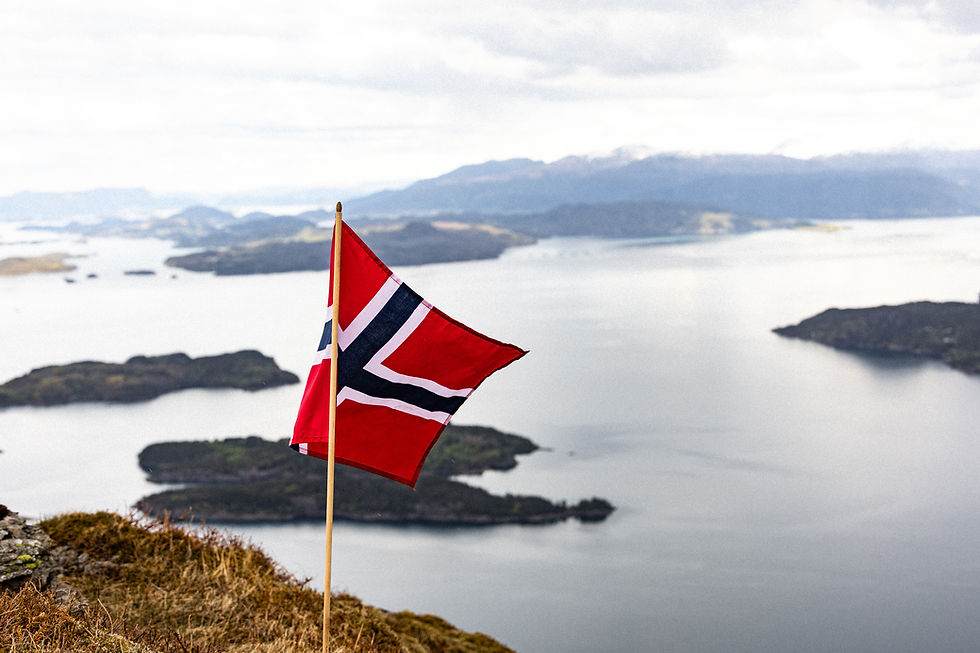
Today is May 17th. Syttende Mai. The Norwegian Constitution Day and the clearest display of national identity all year. People celebrate with children’s parades, traditional clothes, flags, and a real sense of togetherness. This day isn’t about business. It’s about belonging, pride, and authenticity. Sometimes, international brands try to make it a commercial event, but it almost always feels off.
These mistakes are telling. The issue isn’t just about one day—it’s about what happens when a brand thinks translating a campaign is the same as localizing it for Norway. Syttende Mai simply makes this gap impossible to miss.
Why May 17th Is Such a Difficult Moment for Marketing
Norwegian national pride is genuine, not ironic. When brands use the day to sell something, it often feels opportunistic or tone-deaf. People in Norway quickly notice when a brand tries to use a cultural moment it doesn’t belong to, and in a small market, these mistakes are remembered. People talk. Using flags, national colors, or patriotic language rarely feels right. Most of the time, it comes across as forced or borrowed—because it is.
The real problem is that most campaigns aren’t created solely for Norway. They’re made for bigger markets, with different ideas about how much a brand can promote itself. If you just translate that message for Norway, the words might be right, but the tone will be off. Good localisation is meant to prevent this, and Syttende Mai is where this issue stands out the most.
Culture Is the Part That Doesn't Translate
If you’ve run any marketing campaigns in Norway before, you’ve probably seen this happen. A campaign that worked well elsewhere doesn’t convert as expected here. It is not because of a bad translation, but because the cultural logic behind it didn’t carry over. It should have been transcreated, not just translated.
Janteloven often comes up here, and for good reason. Norwegians are generally uncomfortable with self-promotion and standing out, and this shapes how they respond as consumers. When a brand uses the national day to shout about itself, it’s not just loud. More likely than not, you will stomp on some toes. hard. It breaks a social rule that most Norwegians don’t even consider a rule. It’s just something that we know and feel, and something they are not even aware of before seeing any ads. Norwegian communication values understatement, restraint, and a warmth that feels earned rather than forced. You won’t find this in a glossary. It’s about the choices translators or transcreation experts make—what tone to use, what to leave out, and when a softer message works better than a bold one.
This is the difference between translation and transcreation. Translation just moves the words over. Transcreation asks what the message needs to be to sound like it was written by someone local. Sometimes, that means making it quieter, shorter, or even saying nothing at all.
What Actually Works Around Syttende Mai
This doesn’t mean you should avoid the day completely. A warm, short, and culturally aware message, without a strong sales pitch, can show you understand the market without trying too hard. The tone matters more than how much you say. A simple, sincere note about the day, with no product or call to action, feels like joining in, not intruding. By that, you will show that you know your Norwegian customers, and that you value them and their culture.
Sometimes, the best choice is to say nothing. In many cases, that can be the right move. Knowing when to stay quiet is just as important as knowing what to say, and it’s hard to advise clients on this because silence doesn’t look like work. Brands that do well with Norwegian cultural moments usually know the difference between truly joining in and just putting on a show.
Localization Is a Calendar Decision, Not Just a Language One
If you’re planning campaigns for Norway, remember that cultural events should be part of the localization process from the beginning—not just a last-minute translation request. Syttende Mai is a clear example, but the same thinking applies to things like hyttekultur or the long summer break when many people are offline. A localized content calendar isn’t just the global one with Norwegian dates added. It should show which moments a foreign brand can join, which to watch from a distance, and which to skip.
Automated workflows or generic translations will always miss this. You need someone who understands both marketing goals and cultural context to spot the difference—and to suggest a more restrained approach when the brief asks for something louder.
So before your next campaign, ask yourself: Have you really considered Norwegian cultural moments, or are you just following the calendar?
Comments